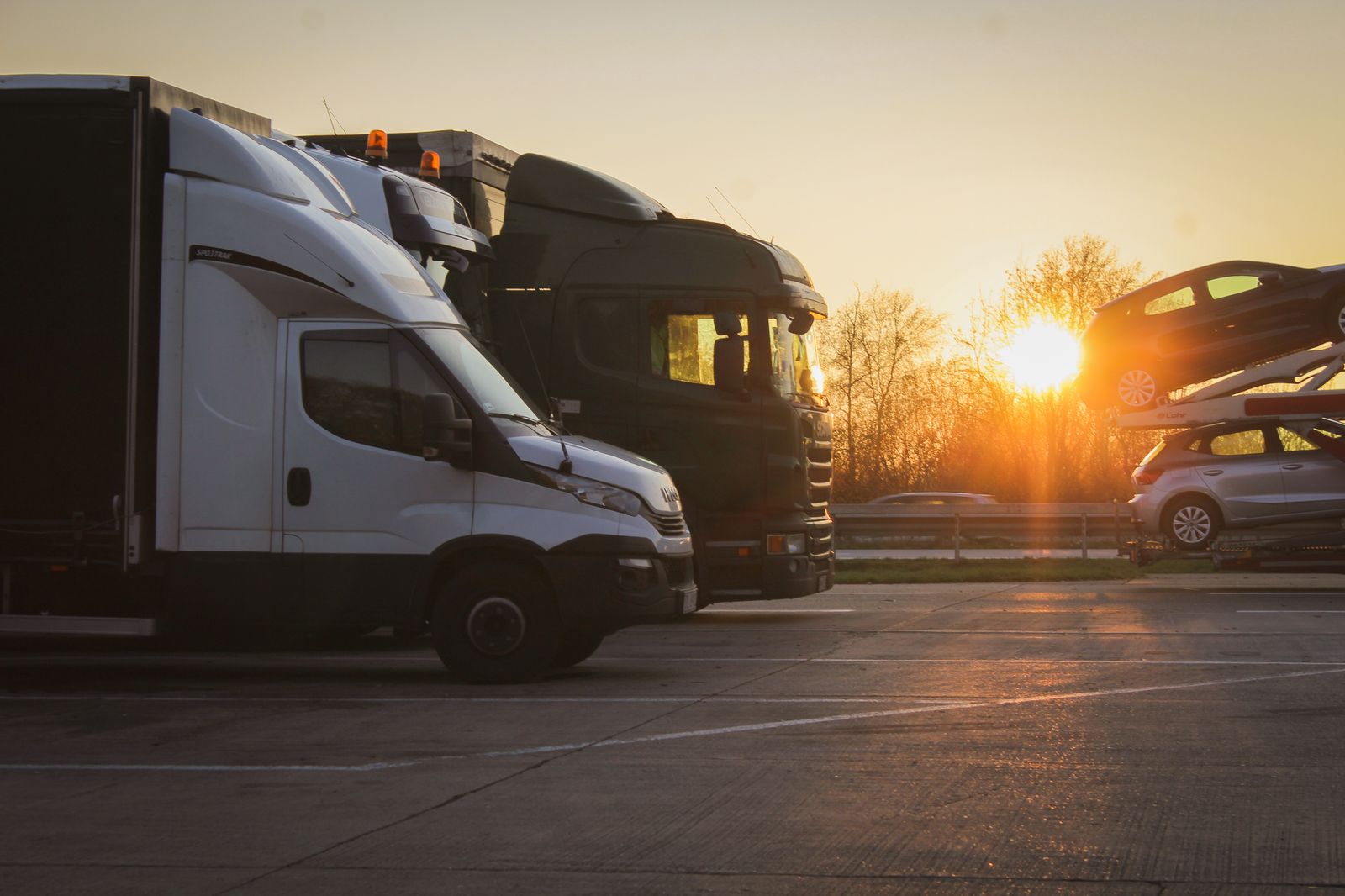
There's one parking space for every 11 trucks on American highways, and the bill for that math lands on you: the average driver gives up 56 minutes of drive time every day hunting for a spot or shutting down early to be safe — about $6,813 a year in lost wages, per the American Transportation Research Institute. Congress finally noticed: the 2026 spending package just line-itemed a record $200 million exclusively for free public truck parking, on top of $61.7 million in grants already headed to Illinois, Kentucky, Mississippi, and Wyoming.
Good news. But new lots take years to pour, and your clock runs out tonight. Here's how the sharpest drivers stop donating an hour a day now.
Treat parking like part of the load, not the end of it
The drivers who don't lose the 56 minutes plan the shutdown before they plan the lunch stop:
- Pick your spot at trip planning, not at hour ten. When you book the load, know where you'll land — and a backup 30 minutes short of it. If the delivery area is a known parking desert, that's a cost of the load; price it in or pass. (This is exactly the kind of context we're building into every load card — join the Haitruck waitlist.)
- Shut down 30–45 minutes earlier than the crowd. Lots that are graveyards at 4 p.m. are full at 7. The last hour of driving you "save" is the hour you'll spend circling ramps — with your 14 burning.
- Do the reserved-parking math without emotion. A $17 reserved spot stings until you price the alternative: 56 minutes of a $75/hour truck is about $70. Paying for certainty two or three nights a week can be the cheapest fix in your operation.
- Know your no-go list. Ramps and abandoned lots aren't parking, they're where cargo theft and fines happen. One break-in costs more than a year of reserved spots.
- Log the deserts. Keep your own notes on which receivers strand you. Two bad shutdowns near the same customer is a pattern — and a number to bring up when they want your truck again.
What the $200 million actually means for you
Temper the celebration with a calendar: this money is restricted to free, public truck parking — no private toll-lots — which is the right design, but environmental review and construction mean the first new spaces are realistically two to four years out. The four-state $61.7M grants are further along. Until then, the shortage is a line item in your cost per mile whether you write it down or not — so write it down.
The bigger picture
Parking isn't a comfort issue; it's a safety and pay issue. It's the top reason cited by women for staying out of the industry, and it turns hours-of-service compliance into a nightly gamble. Every driver who plans shutdowns deliberately is quietly taking back a workweek's worth of wages every year.
We post 60-second versions of plays like these on TikTok — follow @haitruck. And if you want a load board that treats parking, deadhead, and detention as part of the rate instead of your problem, get on the Haitruck waitlist at haitruck.us/join-waitlist — we're building it for the person in the cab.